
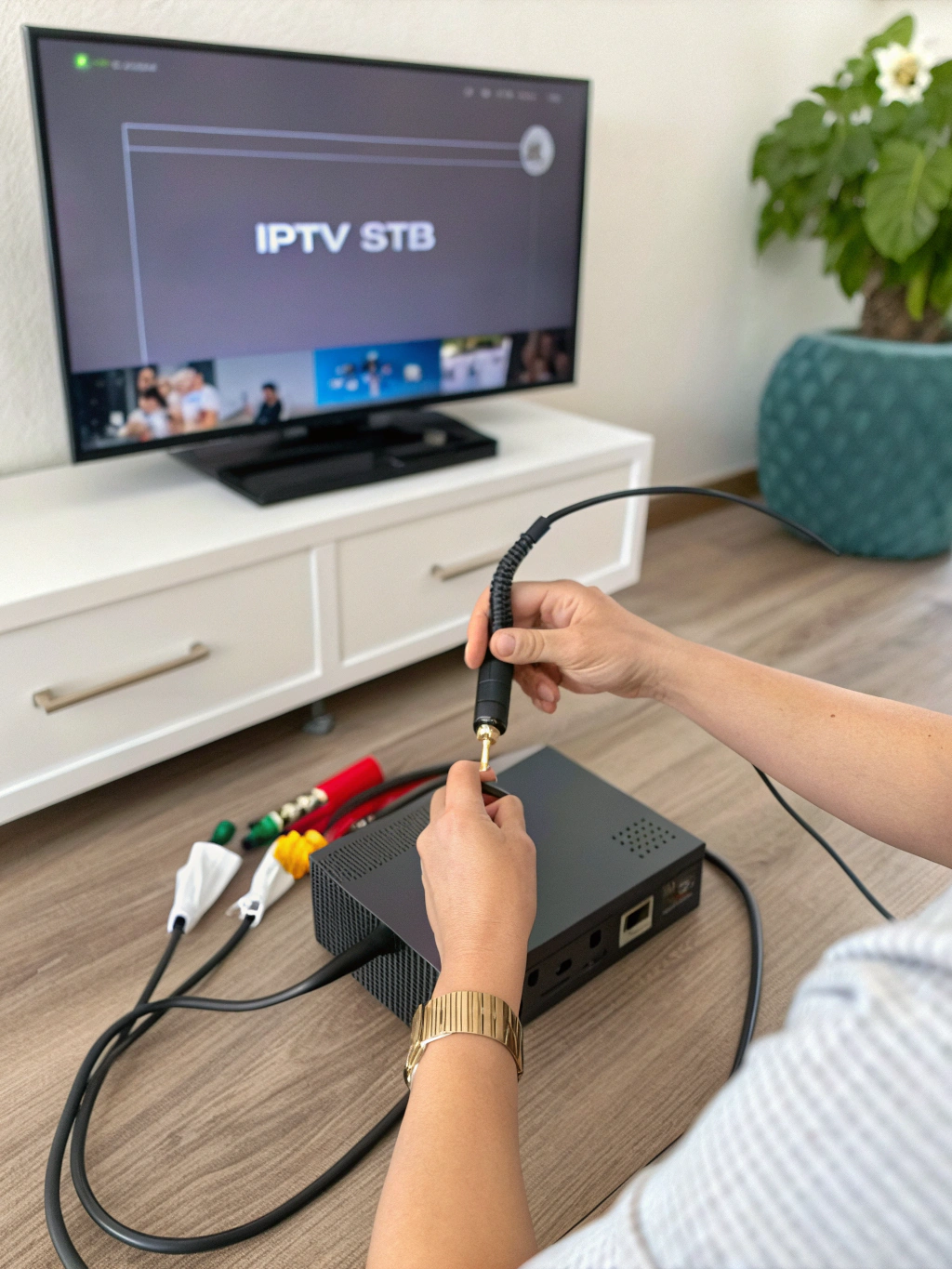
IPTV STB Box Setup Guide: Step-by-Step for Beginners
Are you ready to transform your television viewing experience but feel overwhelmed by the technical setup? Setting up an iptv stb box doesn’t have to be complicated. This comprehensive guide walks you through every step of configuring your IPTV set-top box, from unboxing to streaming your favorite content.
Whether you’re a complete beginner or someone looking to optimize their current setup, you’ll find practical instructions and expert tips to get your device running smoothly in minutes.
What Is an IPTV STB Box?
An IPTV STB box, or Internet Protocol Television Set-Top Box, is a dedicated device that connects to your television and internet network to deliver streaming content. Unlike traditional cable or satellite services, these boxes use your internet connection to stream live TV channels, on-demand movies, sports events, and international programming directly to your screen.
The technology behind these devices has evolved significantly. Modern iptv stb box units come equipped with powerful processors, ample storage, and user-friendly interfaces that rival traditional cable boxes. Popular models include the mag box series, various Android-based solutions, and specialized devices designed for specific markets like the iptv box usa configurations.
These devices decode the digital signals transmitted over your internet connection and convert them into video and audio your television can display. They serve as the bridge between online content providers and your home entertainment system, offering flexibility that traditional broadcasting cannot match.
Why IPTV STB Box Setup Matters
- Cost-conscious viewers: Individuals and families looking to reduce monthly entertainment expenses while maintaining access to quality content benefit tremendously from properly configured IPTV systems.
- International audiences: Expatriates and multicultural households gain access to programming from their home countries that traditional cable providers rarely offer.
- Cord-cutters: Those abandoning traditional cable subscriptions need reliable alternatives that deliver comparable or superior viewing experiences.
- Tech enthusiasts: Users who appreciate customization options and control over their entertainment ecosystem find IPTV boxes offer unmatched flexibility and features.
- Sports fans: Access to international sports channels and pay-per-view events becomes more accessible and affordable through IPTV solutions.
- On-demand preference: Viewers who want complete control over when and what they watch appreciate the extensive libraries and catch-up services IPTV provides.
Key Features of Modern IPTV STB Boxes
- Multiple connectivity options: Ethernet ports for stable wired connections, WiFi capabilities for wireless flexibility, HDMI outputs for high-definition video, and USB ports for external storage and peripherals.
- Operating system variety: Linux-based systems like those in MAG boxes offer stability and simplicity, while iptv box android devices provide access to Google Play Store and countless applications.
- Electronic Program Guide (EPG): Interactive program schedules that display what’s currently playing and upcoming shows across all channels, making navigation intuitive and familiar.
- Video quality support: Capability to stream content in various resolutions from standard definition up to 4K Ultra HD, depending on your internet speed and subscription service.
- Parental controls: PIN protection and content filtering options that help families manage what younger viewers can access on the system.
- Multi-room capabilities: Some advanced setups allow content sharing across multiple televisions in different rooms using a single subscription.
- Recording functions: Time-shift features and cloud-based recording options that let you pause live TV or save programs for later viewing.
- App ecosystem: Access to streaming applications, games, web browsers, and utility apps that extend functionality beyond basic television viewing.
Understanding IPTV Technology and How It Works
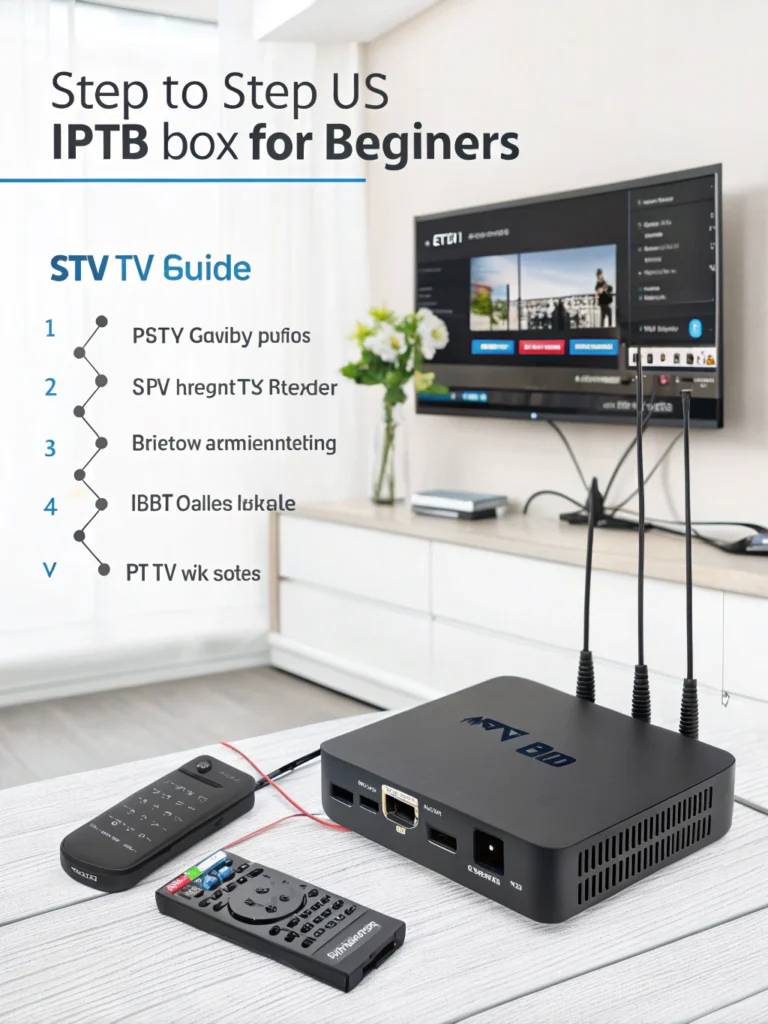
IPTV technology fundamentally differs from traditional broadcasting methods. Instead of receiving signals through satellite dishes or cable infrastructure, your iptv stb box receives data packets through your internet connection. These packets contain compressed video and audio information that the box decodes in real-time.
The process involves several components working together. Your IPTV service provider maintains servers that store content and manage live streams. When you select a channel or program, your box sends a request to these servers. The server responds by streaming the requested content directly to your device, which then processes and displays it on your television.
Bandwidth plays a crucial role in this ecosystem. Standard definition content typically requires 3-4 Mbps, high definition needs 5-8 Mbps, and 4K streaming demands 25 Mbps or more. Your home network must consistently deliver these speeds to ensure smooth playback without buffering or quality degradation.
Modern IPTV systems use adaptive bitrate streaming, which automatically adjusts video quality based on your current internet speed. This technology ensures continuous playback even when network conditions fluctuate, though you might notice temporary quality changes during speed variations.
Step-by-Step IPTV STB Box Setup Guide
- Unbox and inspect your equipment: Remove your IPTV box, power adapter, HDMI cable, remote control, and any included documentation. Check for physical damage and ensure all components are present. Insert batteries into the remote control and verify it powers on.
- Position your device strategically: Place the box near your television in a well-ventilated area. Avoid enclosed cabinets that trap heat, as overheating can cause performance issues. Ensure the remote control sensor on the front panel remains unobstructed for reliable signal reception.
- Connect to your television: Use the HDMI cable to connect the box’s HDMI output to an available HDMI input on your TV. Note which HDMI port you use (HDMI 1, HDMI 2, etc.) as you’ll need to select this input source on your television. For older TVs without HDMI, use composite AV cables if your box provides them.
- Establish internet connectivity: For the most stable connection, use an Ethernet cable from your router to the box’s LAN port. If using WiFi, navigate to network settings after powering on, select your wireless network, and enter the password. A wired connection is strongly recommended for HD and 4K streaming.
- Power on and complete initial setup: Connect the power adapter and turn on the device. Your TV should display the box’s startup screen when set to the correct HDMI input. Follow on-screen prompts to select language, time zone, and display resolution. Most boxes auto-detect optimal settings, but you can manually adjust if needed.
- Configure your IPTV service: This step varies by provider and device type. For MAG boxes, you’ll typically enter a portal URL provided by your IPTV service. For Android boxes, you might install an APK file or configure an M3U playlist URL. Navigate to settings, find the server configuration section, and carefully enter the credentials your provider supplied.
- Load and verify your playlist: After entering service credentials, the box should connect to your provider’s servers and download the channel list. This process may take several minutes depending on the playlist size. Once complete, navigate through channels to verify they’re loading properly.
- Optimize settings for your setup: Adjust video output to match your TV’s capabilities, configure audio settings for your sound system, set up parental controls if needed, and customize the interface appearance. Test various channels in different quality levels to ensure your internet connection handles them smoothly.
- Install additional applications (Android boxes): If using an Android-based device, access the Google Play Store or install third-party apps for additional functionality. Popular additions include VPN applications for privacy, alternative media players, and streaming service apps like Netflix or YouTube.
- Test thoroughly before regular use: Spend time exploring the interface, testing live channels, trying on-demand content, and verifying recording features if available. Check that the EPG displays correctly and updates automatically. This testing phase helps identify issues while you’re still in setup mode rather than during important viewing.
Pros and Cons of IPTV STB Boxes
- Pros: Significant cost savings compared to traditional cable subscriptions, often 50-70% less expensive for comparable or superior content selection. Access to international channels and niche programming unavailable through conventional providers. No long-term contracts or cancellation fees with most services. Flexibility to watch content on-demand rather than adhering to broadcast schedules. Ability to pause, rewind, and record live television. Multi-device support allowing viewing on phones, tablets, and computers. Regular software updates that add features and improve performance.
- Cons: Requires reliable high-speed internet connection, making it unsuitable for areas with poor connectivity. Quality and reliability depend heavily on your IPTV provider’s infrastructure and service quality. Some services operate in legal gray areas, requiring careful provider selection. Initial learning curve for users accustomed to traditional cable interfaces. Potential buffering issues during peak internet usage times. Technical troubleshooting may require more user involvement than calling a cable company. Channel availability can change as providers modify their offerings.
Frequently Asked Questions About IPTV STB Box Setup
What internet speed do I need for my IPTV STB box? For standard definition viewing, a minimum of 5 Mbps is adequate. High definition content requires 10-15 Mbps for smooth playback. If you plan to watch 4K content or stream on multiple devices simultaneously, aim for 50 Mbps or higher. Remember that these speeds should be consistently available, not just peak speeds advertised by your ISP.
Can I use a VPN with my IPTV box? Yes, and it’s often recommended for privacy and security. Many Android-based boxes support VPN applications directly. For devices without native VPN support, you can configure your router to use a VPN, which protects all connected devices. VPNs can also help bypass geographic restrictions and improve connection stability with certain providers.
How do I fix buffering issues on my IPTV STB box? Buffering typically results from insufficient internet speed or network congestion. First, test your internet speed during the buffering occurrence. Switch to a wired Ethernet connection if using WiFi. Close other applications consuming bandwidth. Reduce video quality settings temporarily. Restart your router and IPTV box. Contact your provider if issues persist, as server-side problems may be responsible.
What’s the difference between MAG boxes and Android IPTV boxes? MAG boxes run Linux-based firmware designed specifically for IPTV, offering simplicity and stability with a straightforward interface. Android boxes provide greater flexibility, allowing installation of various apps and customization options, but may require more technical knowledge. MAG boxes excel at pure IPTV delivery, while Android devices function as comprehensive entertainment centers.
Is it legal to use an IPTV STB box? The device itself is completely legal. Legality concerns arise from the content source and provider. Legitimate IPTV services that license their content operate legally. Services offering premium channels at suspiciously low prices often violate copyright laws. Research your provider thoroughly, verify they have proper licensing, and understand that if a deal seems too good to be true, it probably involves pirated content.
How often should I update my IPTV box software? Check for updates monthly or enable automatic updates if available. Firmware updates improve security, fix bugs, add features, and enhance compatibility with newer streaming protocols. Most boxes notify you when updates are available. Always use official updates from the manufacturer rather than third-party firmware, which can cause stability issues or security vulnerabilities.
Best Alternatives to Traditional IPTV STB Boxes
Amazon Fire TV Stick: This compact streaming device plugs directly into your TV’s HDMI port and supports numerous IPTV applications. The iptv firebox combination offers portability and ease of use, though it requires separate IPTV app installation and configuration.
NVIDIA Shield TV: A premium Android TV device with powerful hardware capable of 4K HDR streaming, gaming, and serving as a Plex media server. It’s ideal for users wanting the most robust Android-based IPTV experience with room for expansion.
Apple TV with IPTV apps: For users invested in the Apple ecosystem, Apple TV supports various IPTV applications through the App Store, offering seamless integration with other Apple devices and services.
Smart TV built-in apps: Many modern smart televisions include app stores where you can install IPTV players directly, eliminating the need for a separate box, though functionality may be limited compared to dedicated devices.
Formuler Z series: These boxes compete directly with MAG devices, offering similar dedicated IPTV functionality with enhanced features like improved EPG, recording capabilities, and faster processors.
Expert Tips and Insights for IPTV STB Box Users
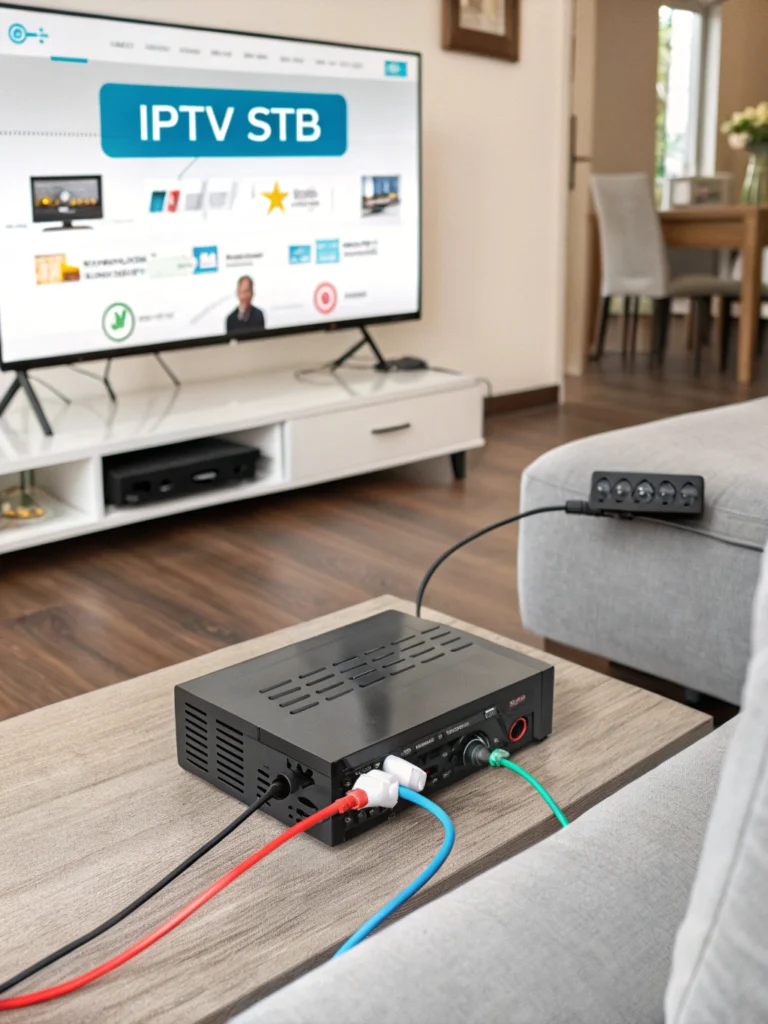
Always maintain a wired Ethernet connection when possible, as WiFi introduces variables that can affect streaming quality unpredictably. Even with strong WiFi signals, physical obstacles, interference from other devices, and network congestion create inconsistencies that wired connections avoid entirely.
Create a dedicated network for your IPTV box if you have a router that supports multiple SSIDs or VLANs. This isolation prevents other household internet activities from competing for bandwidth during critical viewing times, ensuring consistent performance even when family members are gaming or downloading large files.
Invest in quality HDMI cables, particularly for 4K content. While expensive cables offer no advantage for standard HD, 4K streaming requires cables certified for higher bandwidth. Premium certified cables ensure your connection can handle the data throughput without signal degradation.
Schedule regular maintenance including clearing cache, removing unused applications, and restarting your device weekly. Like computers, IPTV boxes benefit from periodic fresh starts that clear temporary files and reset connections, often resolving minor performance issues before they become noticeable.
Document your configuration settings including portal URLs, MAC addresses, and activation codes. Store this information securely offline so you can quickly reconfigure if you need to reset your device or contact technical support. Screenshots of working configurations save considerable troubleshooting time.
Monitor your provider’s communication channels for service announcements. Reputable IPTV services maintain social media accounts, websites, or messaging groups where they announce maintenance windows, server changes, or service disruptions. Staying informed prevents confusion when temporary issues occur.
Common Mistakes to Avoid When Setting Up Your IPTV STB Box
- Using inadequate internet connections: Many users underestimate bandwidth requirements, leading to constant buffering and quality issues. Test your actual internet speed during peak usage hours rather than relying on advertised speeds from your ISP. If your connection struggles during evenings or weekends, upgrading your plan or switching providers may be necessary for a smooth IPTV experience.
- Skipping the trial phase: Jumping straight into long-term IPTV subscriptions without testing is a common mistake. Always use free trials or short-term plans to evaluate channel stability, picture quality, EPG accuracy, and customer support responsiveness before committing.
- Incorrect network setup: Poor router placement, outdated routers, or congested WiFi channels can severely impact performance. Avoid placing routers in enclosed spaces, update router firmware regularly, and use the 5 GHz band when streaming over WiFi.
- Entering credentials incorrectly: Many setup issues come from small errors like extra spaces in portal URLs, incorrect MAC address formatting, or expired activation links. Double-check all details provided by your IPTV service during configuration.
- Overloading the device: Installing too many apps, running background processes, or using low-storage devices can slow performance. Keep your IPTV STB box focused on its primary purpose for best results.
- Ignoring heat management: Overheating causes freezes, reboots, and long-term hardware damage. Ensure proper airflow around your device and avoid stacking it with other electronics.
Conclusion: Is an IPTV STB Box Worth It?
An IPTV STB box is one of the most powerful and flexible tools for modern television viewing. When set up correctly, it delivers a cable-like or even superior experience at a fraction of the cost, with access to global content, live sports, and on-demand entertainment tailored to your preferences.
The key to success lies in choosing the right device, pairing it with a reputable IPTV subscription, and ensuring your internet connection and network setup meet the demands of streaming. While there is a small learning curve compared to traditional cable boxes, the long-term benefits far outweigh the initial setup effort.
Whether you’re a cord-cutter, a sports enthusiast, or someone seeking international channels, an IPTV STB box gives you full control over how, when, and where you watch TV. With the guidance in this setup guide, you’re now equipped to configure your device confidently and enjoy a smarter, more flexible television experience.